

Children’s Mental Health Week 2026: Supporting Young Carers in Solihull
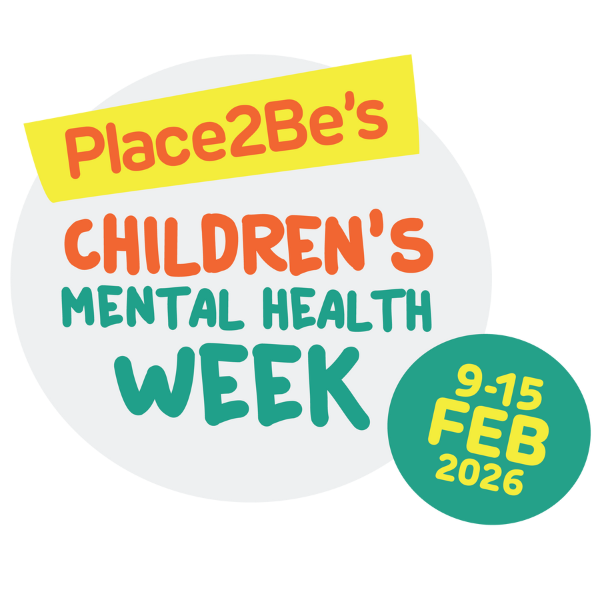
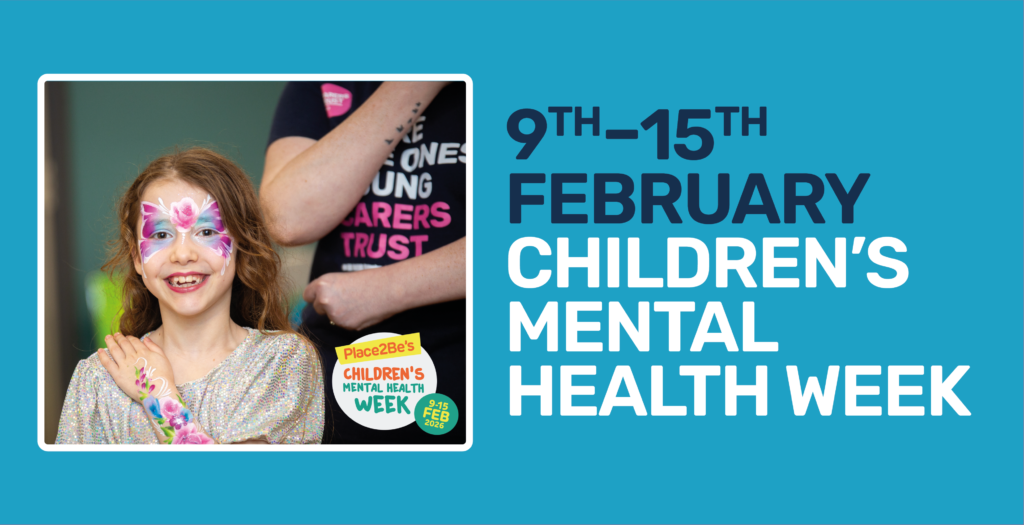
Children’s Mental Health Week takes place from 9th to 15th February 2026, shining a spotlight on the importance of children and young people’s emotional wellbeing. You can show your support and raise awareness by visiting the official page of Children’s Mental Health Awareness Week. The theme for Children’s Mental Health Week 2026 is ‘This is My Place‘, and the aim is to support the systems around children and young people to help them feel they belong. It’s a valuable opportunity for families, schools, and communities to come together to start conversations, reduce stigma, and remind children that their mental health matters just as much as their physical health.

At Solihull Carers Trust, we support unpaid carers of all ages, including children and young people who take on caring responsibilities within their families. These responsibilities can have a real impact on a young person’s mental health, education, and overall wellbeing.
Why Children’s Mental Health Matters
“About 1 in 5 children and young people aged 8 to 25 years had a probable mental disorder.”
Childhood is a time of rapid change, learning, and emotional development. While many children thrive, others may experience challenges such as anxiety, low mood, stress, or difficulties with friendships and school life. When children feel supported and understood, they are better equipped to cope with life’s ups and downs and build resilience for the future.
Talking openly about mental health helps children:
Feel less alone with their worries
Develop healthy ways to express emotions
Build confidence and self-esteem
Know when and how to ask for help
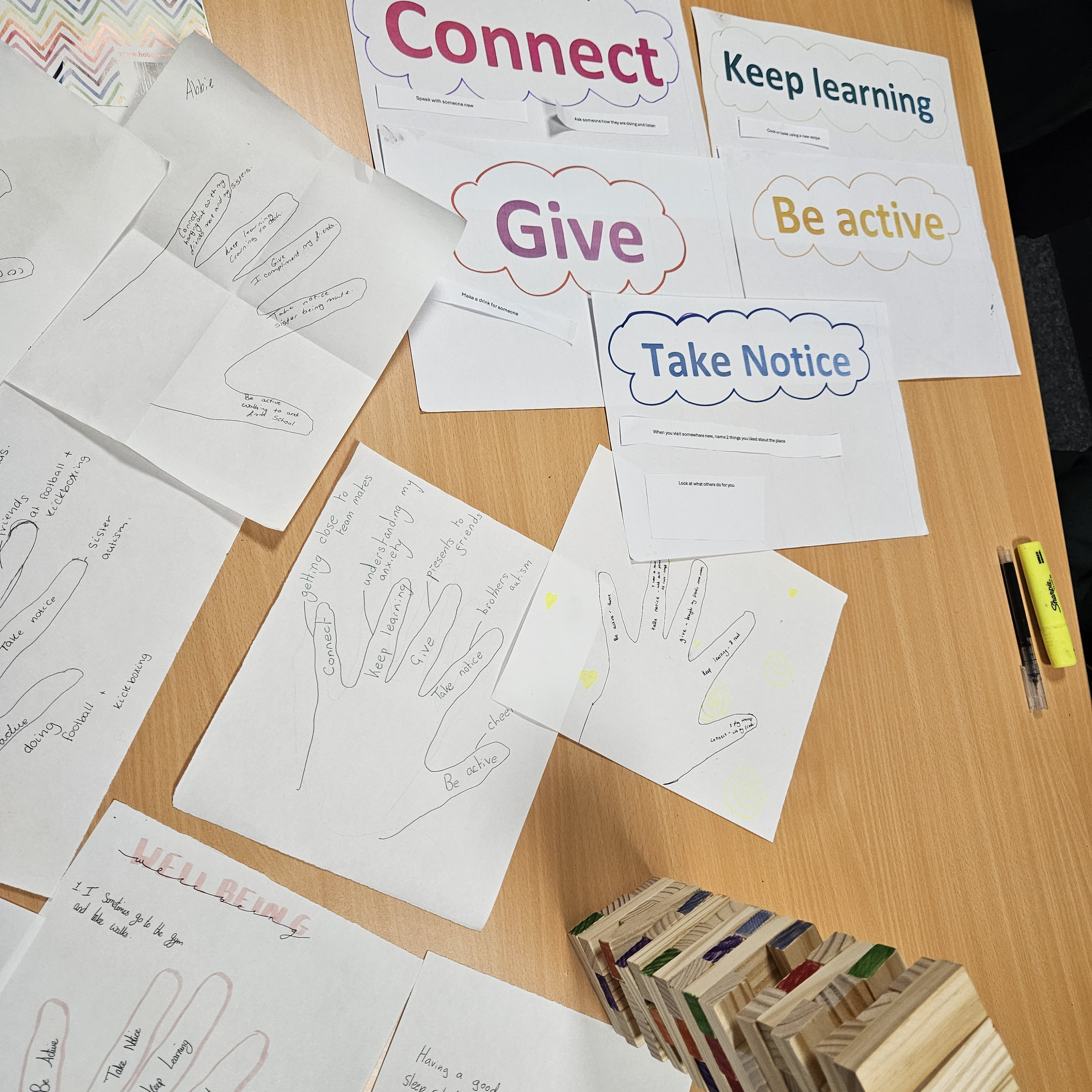
Early support can make a lasting difference, helping children develop positive coping strategies that stay with them into adulthood.
The Mental Health of Young Carers
Young carers often balance school, friendships, and personal development alongside caring for a parent, sibling, or other family member who may have an illness, disability, mental health condition, or substance misuse issue.
Research has shown that around 38% of young carers have reported living a mental health condition. While many young carers show incredible resilience, the pressures they face can sometimes lead to feelings of stress, anxiety, loneliness, or exhaustion.
Some signs that children and young carers might be struggling include:
- Withdrawing into themselves and becoming anxious or frustrated
- Sudden changes in concentration or educational performance
- Changes in attendance patterns (linked to fear of leaving an unwell parent), school refusal, being late
- Other behaviour changes – particularly longer-term challenging behaviour
- A change in how organised and ready for school they are
- Physical health problems
- Frequent unexplained angry outbursts
- Tiredness (often due to nightmares or anxiety or being woken by unwell parents).
- Source: mentallyhealthlyschools.org
These experiences can be difficult to talk about, particularly if a young carer feels they must “cope” or doesn’t want to worry others.
Why Awareness Matters
Children’s Mental Health Week helps shine a light on the unique challenges faced by young carers and reminds us how vital early support can be. When young carers feel recognised, listened to, and supported, it can make a significant difference to their confidence, emotional wellbeing, and ability to thrive.
Simple understanding — from schools, professionals, family members, and the wider community — can help young carers feel less alone and more empowered to speak up about how they’re feeling. One method that schools and educational organisations can assist young and young adult carers, is with the Young Carers in School Award (YCiS).
The YCiS Award was developed in collaboration with schools, young carer services, and young carers themselves. Run jointly by Carers Trust and The Children’s Society, the Young Carers in Schools (YCiS) programme works with schools across England to share good practice, provide relevant tools and training, and celebrate the great outcomes many schools achieve for young carers.
By participating in the programme, schools can demonstrate their commitment to supporting this especially vulnerable group of pupils, as well as earning your school:
- National recognition for improving outcomes for young carers through the Young Carers in Schools Award.
Take clear, manageable steps to enhance support for this vulnerable group—guiding schools to prioritise and plan their next actions.
Access a range of support, including practical tools, templates, examples of good practice, webinars, and professional development opportunities.
At Solihull Carers Trust, we are committed to supporting young carers and young adult carers across Solihull by:
Providing a safe space where young carers can talk openly
Offering emotional support and practical guidance
Helping young carers access breaks, activities, and peer support
Working with schools and partners to raise awareness and understanding
- And much more.
Our aim is to ensure that young carers are supported not just in their caring role, but as children and young people in their own right.
We have a dedicated section of our website that contains resources, guides, tips and external services to support you and your mental health: Mental Health Support. Additionally, maintaining your physical wellbeing is key in supporting the foundations of your mental health. We also provide you with this support here: Health & Wellbeing Support.
Children’s Mental Health Week encourages adults to listen, notice, and respond. Simple moments — a chat on the way to school, shared activities, or checking in at bedtime — can create safe spaces where children feel comfortable opening up.
Helpful ways to support children include:
Encouraging them to talk about their feelings without judgement
Letting them know that all emotions are valid
Modelling healthy emotional expression ourselves
Reassuring them that it’s okay to ask for help
How We Can Support Children During the Week
During Children’s Mental Health Week, many organisations, schools, and families take part in activities that promote wellbeing, kindness, and connection. This might include mindfulness exercises, creative activities, storytelling, or simply spending quality time together.
At its heart, the week is about reminding children that they are seen, heard, and valued — not just this week, but every week.
A Shared Responsibility
Supporting children’s mental health is a collective effort. By raising awareness and keeping the conversation going beyond Children’s Mental Health Week, we can help create environments where children feel safe to be themselves and confident in seeking support when they need it.
We want young carers to know that their feelings matter. Caring can be rewarding, but it can also be hard — and it’s okay to ask for help. By recognising the vital role young carers play and prioritising their mental health, we can help build a more supportive, compassionate community here in Solihull.
This February, let’s take the time to listen, learn, and show children that their mental health truly matters.
If you are a young carer, or know a child or young person who may be caring for someone at home, Solihull Carers Trust is here to help.